
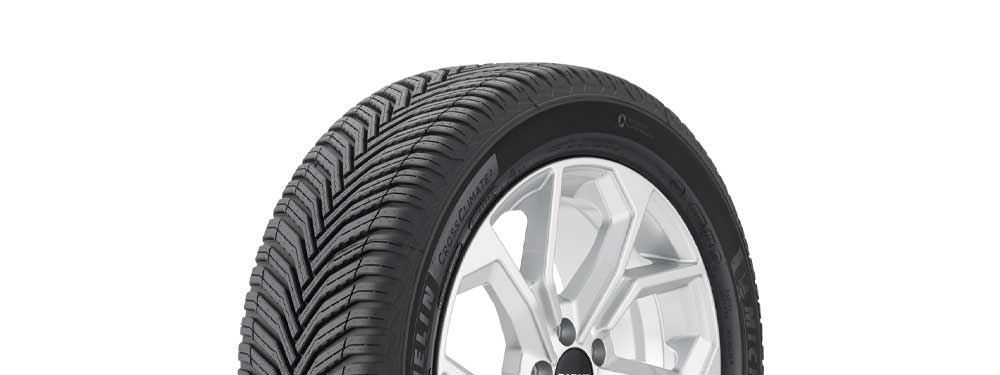
The Michelin CrossClimate2 is a Grand Touring All-Season tire for drivers who want serious year-round traction without giving up dry-road confidence, wet-road grip, comfort, or treadwear. I reviewed this tire as a premium all-weather touring option for people who want one tire that can handle normal commuting, highway driving, rain, cold roads, slush, and light to moderate snow.
This Michelin CrossClimate2 review focuses on the areas that matter most before buying: wet traction, dry grip, winter/snow ability, comfort, road noise, treadwear, warranty value, vehicle fit, and how it compares with similar touring tires. Based on the ratings provided, the CrossClimate2 is one of the strongest overall tires in the Grand Touring All-Season category.
It is best suited for sedans, coupes, crossovers, SUVs, wagons, and minivans used mostly on paved roads. It is not an off-road tire, and it is not meant to replace a dedicated winter tire in severe conditions. Its real strength is giving everyday drivers a high level of confidence across dry roads, wet roads, cold weather, and snowy paved streets.
Michelin CrossClimate2 Review: Why It Has Such a Strong Reputation
The CrossClimate2 sits in the Grand Touring All-Season category, but it leans strongly toward all-weather performance. That matters because many traditional all-season tires are comfortable in dry and wet weather, yet feel limited when snow, slush, or colder temperatures enter the picture.
The rating profile is excellent. It earns a 9.4/10 wet traction rating, a 9.4/10 dry traction rating, an 8.8/10 winter/snow rating, an 8.9/10 comfort and road noise rating, and a 9.1/10 treadwear rating. Those numbers show a tire with very few weak points.
What I like most about the CrossClimate2 is that it does not rely only on winter capability. It is also excellent on dry and wet roads, which is where most drivers spend most of their miles. That balance is the reason this tire works well for shoppers who want one premium tire for several seasons instead of choosing between comfort and traction.
Rain Grip, Wet Braking, and Hydroplaning Control
Wet traction is one of the CrossClimate2’s strongest areas. With a wet traction rating of 9.4/10, this tire should feel confident in rain, damp conditions, and highway spray.
The directional tread pattern is designed to help move water away from the contact patch. That matters because wet traction is not just about driving through rain. It also affects braking, lane changes, cornering, and how stable the vehicle feels when the road surface changes quickly.
In real-world driving, I would expect the CrossClimate2 to feel calm and secure in normal rain. It should give drivers strong braking confidence and predictable control when roads are wet. For commuters and families, that kind of wet-road stability is one of the most important reasons to choose a premium touring tire.
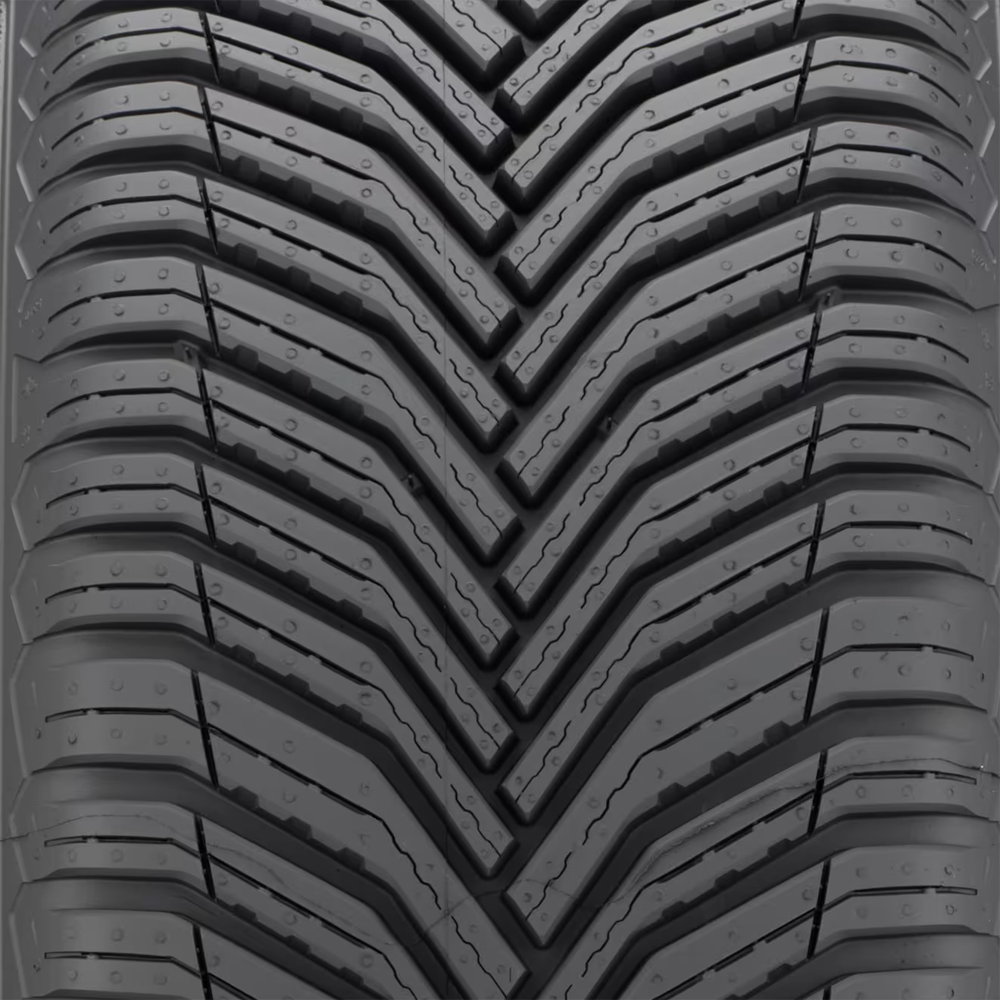
The wet traction score also helps separate the CrossClimate2 from many basic all-season tires. If rain performance is near the top of your list, this tire deserves serious consideration.
Dry Road Control and Steering Confidence
Dry traction is equally impressive. The CrossClimate2 earns a dry traction rating of 9.4/10, matching its wet traction score.
That matters because all-weather tires still need to feel good when the road is clear. A tire can be excellent in snow, but if it feels vague or noisy during normal dry-road driving, it becomes harder to recommend for everyday use. The CrossClimate2 avoids that issue with excellent dry-road stability.
On dry pavement, I would expect this tire to feel secure during braking, merging, highway cruising, and normal cornering. It should give the driver a confident road feel without making the ride harsh. This is still a touring tire, so it is not aimed at aggressive performance driving. Its strength is controlled, predictable handling for normal roads.
For drivers who want a tire that feels composed in every season, the dry traction rating is a major reason the CrossClimate2 stands out.
Winter and Snow Traction for Real-World Seasonal Driving
The CrossClimate2 earns a winter/snow traction rating of 8.8/10, which is very strong for a Grand Touring All-Season tire. It also carries the Three-Peak Mountain Snowflake symbol, which supports its severe snow service capability.
This makes the CrossClimate2 a strong option for drivers who see cold temperatures, slush, light snow, and moderate winter conditions on paved roads. The tread design gives the tire more biting edges than a basic all-season tire, helping it maintain better grip when roads are messy.
The CrossClimate2 is still not a full replacement for dedicated winter tires in severe conditions. Deep snow, heavy ice, mountain passes, steep winter roads, and long harsh winters call for a more specialized winter setup. However, for drivers who want one tire that can handle changing seasons well, the CrossClimate2 is one of the strongest choices in this category.
Comfort, Road Noise, and Highway Ride Quality
The CrossClimate2 earns a comfort and road noise rating of 8.9/10, which is very good for a tire with this much all-weather ability. That matters because some weather-focused tires can feel louder or firmer because of their directional patterns and traction-focused tread designs.
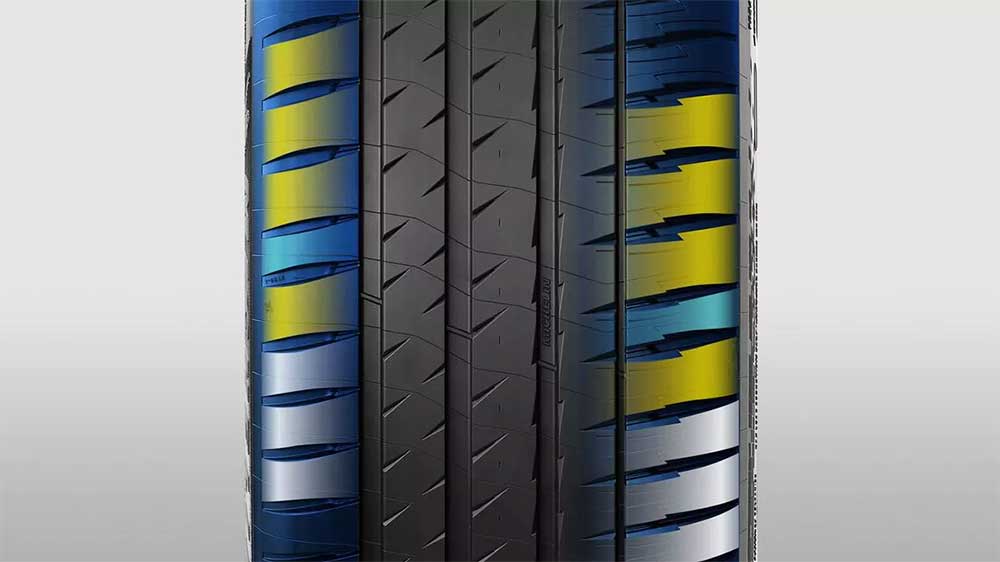
The ride should feel stable and controlled during commuting, city driving, and longer highway trips. Road noise should remain reasonable for a tire with strong snow and rain capability. It may not feel quite as muted as the quietest comfort-first touring tires, but it does a strong job balancing refinement with year-round traction.
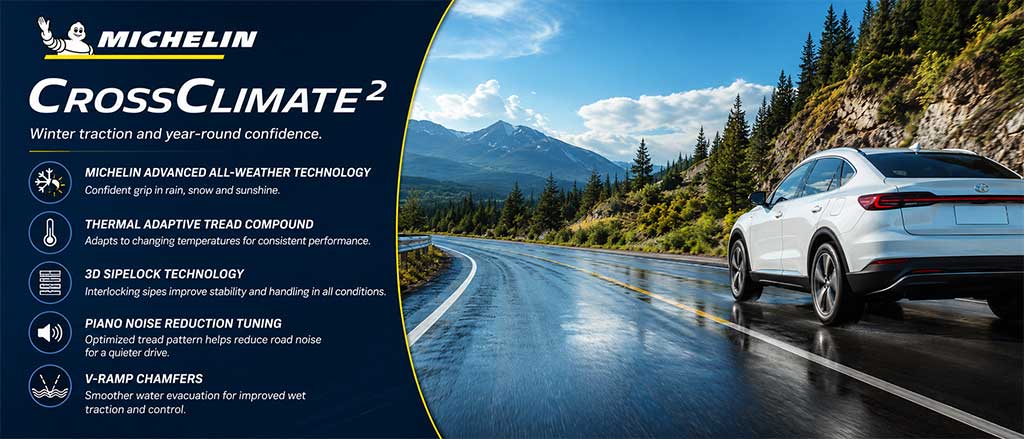
This is an important point for shoppers. The CrossClimate2 is not just a bad-weather tire. It is comfortable enough for normal daily use, which makes it easier to live with during the months when roads are dry and clear.
Treadwear, Warranty, and Long-Term Ownership Value
The CrossClimate2 earns a treadwear rating of 9.1/10, which is excellent for a Grand Touring All-Season tire with this level of all-weather capability. Michelin backs it with a 60,000-mile limited warranty, giving shoppers a solid long-term ownership value point.
That treadwear rating is important because all-weather tires sometimes wear faster than simpler touring designs. More tread detail and more traction features can improve grip, but durability still matters. The CrossClimate2’s rating shows that it offers more than traction alone.
Owners still need to maintain the tire properly. Regular rotations, correct tire pressure, proper wheel alignment, and good suspension condition all affect how long the tire lasts. A strong warranty helps, but maintenance is still what keeps the tire wearing evenly over time.
One point to keep in mind is the directional tread pattern. It helps with all-weather performance, but it may limit some rotation flexibility compared with a non-directional tire. That is not a deal-breaker, but it is something owners should understand before buying.
Michelin CrossClimate2 Review Rating Breakdown
The Michelin CrossClimate2 earns an overall rating of 9.1/10, which places it among the strongest Grand Touring All-Season tires reviewed in this group.
| Category | Rating |
|---|---|
| Wet Traction | 9.4/10 |
| Dry Traction | 9.4/10 |
| Winter/Snow Traction | 8.8/10 |
| Comfort and Road Noise | 8.9/10 |
| Treadwear | 9.1/10 |
| Overall Rating | 9.1/10 |
The numbers show a tire with excellent balance. Wet traction and dry traction are both top-level scores. Winter/snow traction is strong. Treadwear is excellent. Comfort is also high enough for regular commuting and highway use.
The CrossClimate2 is best for drivers who want one premium tire that handles multiple seasons well. It is especially appealing if wet grip, dry-road confidence, treadwear, and winter capability all matter in the same purchase decision.
Watch our Michelin CrossClimate2 Review Video
How the CrossClimate2 Compares With Similar Grand Touring All-Season Tires
The Firestone WeatherGrip, Pirelli Cinturato WeatherActive, and Goodyear Assurance WeatherReady2 all qualify as Grand Touring All-Season comparison tires. All three are serious all-weather options, so this is a strong comparison group.
| Tire | Brand | Category | Best Strength | Possible Drawback | Best For |
|---|---|---|---|---|---|
| Michelin CrossClimate2 | Michelin | Grand Touring All-Season | Wet grip, dry control, snow confidence, and treadwear balance | Directional tread design may limit rotation flexibility | Drivers who want a proven premium all-weather touring tire |
| Firestone WeatherGrip | Firestone | Grand Touring All-Season | Practical wet and winter confidence | Comfort and refinement may not feel as premium as the Michelin | Drivers who want dependable year-round traction at a practical level |
| Pirelli Cinturato WeatherActive | Pirelli | Grand Touring All-Season | Excellent wet grip, dry traction, comfort, and treadwear | Snow rating is strong, but lower than its wet and dry ratings | Drivers who want premium all-weather traction with a refined feel |
| Goodyear Assurance WeatherReady2 | Goodyear | Grand Touring All-Season | Dry grip, snow traction, treadwear, and all-weather balance | Wet rating is strong but lower than Michelin’s wet score | Drivers who want a premium all-weather tire with strong snow emphasis |
The CrossClimate2 is the proven premium all-weather choice in this comparison. It has excellent wet and dry traction, strong winter capability, and a high treadwear rating. It is especially appealing for drivers who want one tire that feels confident in many different conditions.
The Firestone WeatherGrip is a practical alternative for drivers who want better rain and winter traction than a basic all-season tire. It is a strong option, but the Michelin has the more premium all-around rating profile based on the provided scores.
The Pirelli Cinturato WeatherActive is very close in purpose. It has excellent wet and dry ratings, strong comfort, and excellent treadwear. Compared with the Michelin, the Pirelli may appeal more to drivers who want a refined all-weather touring feel, while the Michelin has a very strong reputation for all-season versatility and snow confidence.
The Goodyear Assurance WeatherReady2 is one of the closest competitors. It has excellent dry and snow traction ratings and strong treadwear. The Michelin counters with an excellent wet traction score and a very balanced overall profile. If snow is the top priority, the Goodyear deserves close attention. If wet traction and proven all-weather balance are equally important, the Michelin remains a strong choice.
Best Vehicle Types and Driving Situations
The Michelin CrossClimate2 fits sedans, coupes, crossovers, SUVs, wagons, and minivans used mostly on paved roads. It is especially useful for drivers who want one premium tire for changing seasons.
It fits these driving situations well:
Rainy commuting and wet highway driving
Dry-road travel with confident steering feel
Cold-weather driving on paved roads
Light to moderate snow on plowed streets
Family vehicles where predictable traction matters
Long highway trips where comfort still matters
Drivers who want year-round traction without seasonal tire changes
It is not the right tire for off-road trails, aggressive performance driving, deep snow, heavy ice, or severe mountain winter roads. Its best environment is paved-road driving with a mix of dry weather, rain, cold temperatures, slush, and light to moderate snow.
Michelin CrossClimate2 Tires and Available Sizes
The Michelin CrossClimate2 is available for a wide range of sedans, coupes, crossovers, SUVs, wagons, and minivans. Use the tire options below to compare available CrossClimate2 sizes, pricing, and fitment details before choosing the version that matches your vehicle.
Use the **Keyword Search** field to search by tire size and speed rating. You can enter a full size like 275/40ZR20, or search by part of the size, such as 275, 40, ZR, R20, or 20. This helps narrow the results when you are looking for tires by specific size and speed rating details.
84 tires found
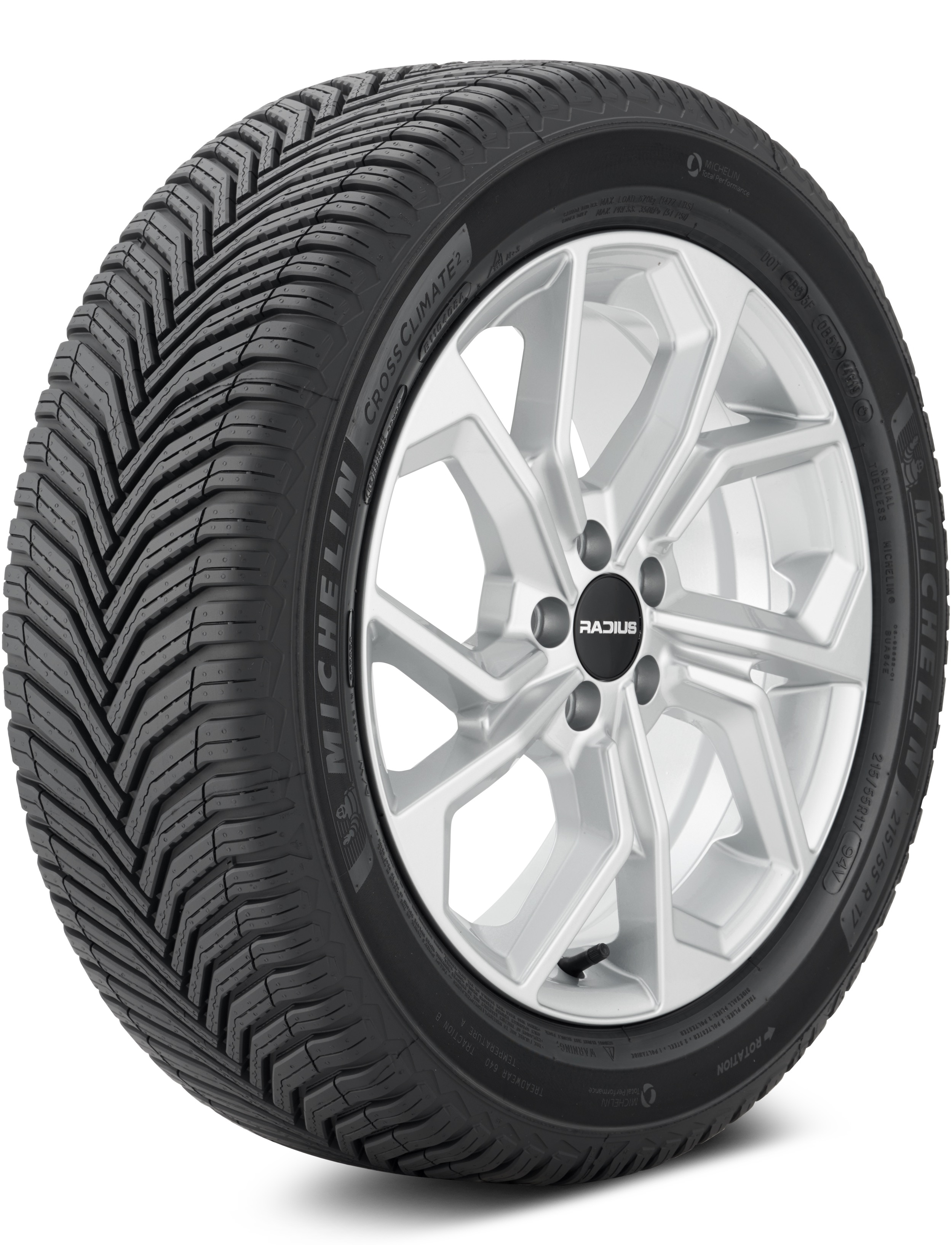
Michelin CrossClimate2 235/55R17 99H Grand Touring All-Season Tire 80501
View Tire Details
Michelin CrossClimate2 245/50R19 XL 105V Grand Touring All-Season Tire 36113
View Tire Details
Michelin CrossClimate2 215/55R16 XL 97H Grand Touring All-Season Tire 03995
View Tire Details
Michelin CrossClimate2 235/40R19 XL 96V Grand Touring All-Season Tire 60820
View Tire Details
Michelin CrossClimate2 235/50R20 XL 104V Grand Touring All-Season Tire 55754
View Tire Details
Michelin CrossClimate2 245/55R19 XL 107V Grand Touring All-Season Tire 18167
View Tire Details
Michelin CrossClimate2 225/40R18 XL 92V Grand Touring All-Season Tire 52883
View Tire Details
Michelin CrossClimate2 205/55R17 XL 95V Grand Touring All-Season Tire 21343
View Tire DetailsWho Should Consider the Michelin CrossClimate2?
The CrossClimate2 is worth considering if you want one tire that performs well across several seasons. It is a strong match for drivers who want excellent wet traction, excellent dry grip, strong winter capability, good comfort, and long treadwear.
It also makes sense if your area gets regular rain and occasional snow. The 9.4/10 wet traction rating and 8.8/10 winter/snow rating give it a strong weather advantage, while the 9.4/10 dry traction rating keeps it confident on clear roads.
I would put it high on the list for shoppers who want a premium Grand Touring All-Season tire that can handle real weather changes without feeling too specialized.
Who May Want a Different Tire?
Some drivers may prefer another tire. If budget is a major concern, the Firestone WeatherGrip may be a more practical all-weather option. It gives drivers useful wet and winter traction at a more straightforward level.
If you want premium all-weather performance with a more refined touring feel, the Pirelli Cinturato WeatherActive deserves close comparison. It is also very strong in wet and dry conditions.
If snow traction is the top priority, the Goodyear Assurance WeatherReady2 is one of the strongest direct alternatives. It has an excellent snow rating and a very complete all-weather profile.
Drivers in warm climates with almost no winter weather may not need everything the CrossClimate2 offers. In that case, a quieter comfort-first touring tire may be enough. And drivers in severe winter regions should still consider dedicated winter tires for the safest winter setup.
Final Verdict on the Michelin CrossClimate2
The Michelin CrossClimate2 is an excellent Grand Touring All-Season tire for drivers who want wet traction, dry-road confidence, snow capability, treadwear, and everyday comfort in one premium package. Its 9.1/10 overall rating reflects a tire with one of the most balanced scorecards in this group.
The strongest numbers are impressive. The 9.4/10 wet traction rating and 9.4/10 dry traction rating show excellent control in the two road conditions drivers see most often. The 8.8/10 winter/snow rating gives it real cold-weather credibility, while the 9.1/10 treadwear rating supports long-term value.
The 8.9/10 comfort and road noise rating also keeps it practical for commuting and highway use. It may not be the quietest comfort-first touring tire, but it offers a very strong balance between refinement and all-weather capability.
My final take is that the CrossClimate2 is one of the easiest tires to recommend for drivers who want a premium all-weather touring tire. It is confident in rain, stable on dry roads, capable in light to moderate snow, and practical enough for everyday ownership.