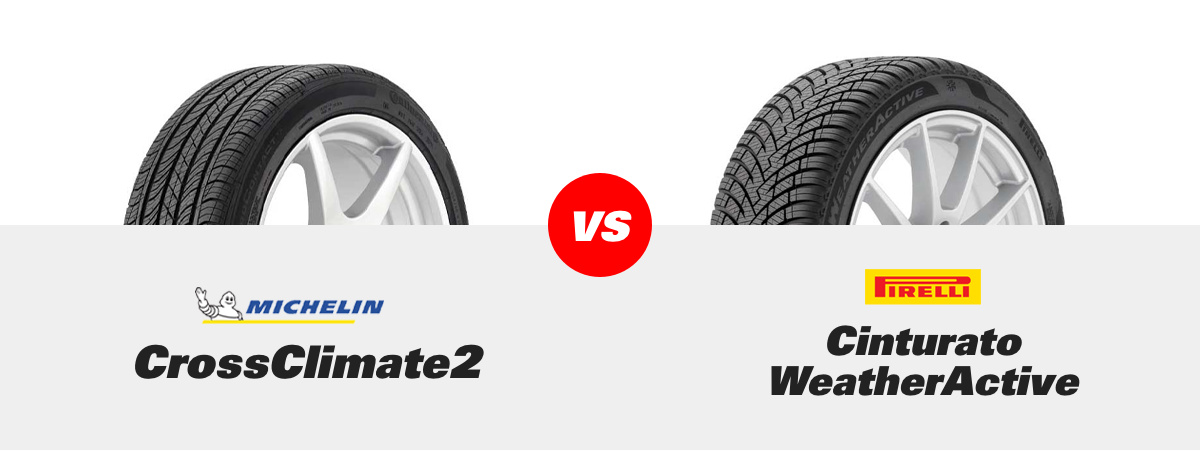
Choosing between the Michelin CrossClimate2 and Pirelli Cinturato WeatherActive is not as simple as picking the tire with the higher overall score. Both are premium Grand Touring All-Season tires with serious year-round capability, strong wet grip, and enough light snow traction to make them appealing for drivers who do not want to change tires every season.
The real difference comes down to priorities. The Michelin feels like the better pick when wet braking, snow confidence, and all-weather security matter most. The Pirelli feels slightly more refined when comfort, treadwear value, and relaxed road manners are higher on your list.
This Michelin CrossClimate2 vs Pirelli Cinturato WeatherActive comparison breaks down where each tire has the advantage, where the differences are small, and which one I would choose depending on the type of driving you do most.
Michelin CrossClimate2 vs Pirelli Cinturato WeatherActive Overall Comparison
Both tires are aimed at drivers who want one set of tires for rain, dry roads, cooler temperatures, and occasional winter weather. They are not basic all-season tires. They both sit in that more capable all-weather touring space where comfort and year-round traction need to work together.
The Michelin CrossClimate2 leans a little more toward confident traction. Its strongest appeal is wet grip, dry braking, snow control, and a very secure feel when the weather changes. It is the tire I would look at first for drivers who deal with rain often or who want stronger light snow ability without moving to a dedicated winter tire.
The Pirelli Cinturato WeatherActive takes a slightly smoother, more comfort-focused approach. It still has excellent wet and dry ratings, but it pulls ahead in comfort and road noise and has a slight edge in treadwear based on the ratings used here. That makes it a strong choice for drivers who want a polished touring tire that still has real all-weather capability.
The biggest difference is this: Michelin has the slight traction advantage, while Pirelli has the slight comfort and treadwear advantage. Neither tire runs away with the comparison because both are very close overall.
Michelin CrossClimate2 vs Pirelli Cinturato WeatherActive Rating Chart
| Category | Michelin CrossClimate2 | Pirelli Cinturato WeatherActive | Winner |
|---|---|---|---|
| Wet Traction | 9.4/10 | 9.3/10 | Michelin CrossClimate2 |
| Dry Traction | 9.4/10 | 9.4/10 | Tie |
| Winter/Snow Traction | 8.8/10 | 8.6/10 | Michelin CrossClimate2 |
| Comfort and Road Noise | 8.9/10 | 9.0/10 | Pirelli Cinturato WeatherActive |
| Treadwear | 9.1/10 | 9.2/10 | Pirelli Cinturato WeatherActive |
| Overall Rating | 9.1/10 | 9.1/10 | Tie |
The ratings make the comparison easier to scan, but they do not tell the whole story. The better tire depends on whether you value traction confidence or touring refinement more.
Wet Traction: Michelin Has the Slight Edge in Rain
Wet traction is one of the most important categories in this matchup because both tires are designed for drivers who want more confidence when roads are soaked, slick, or unpredictable.
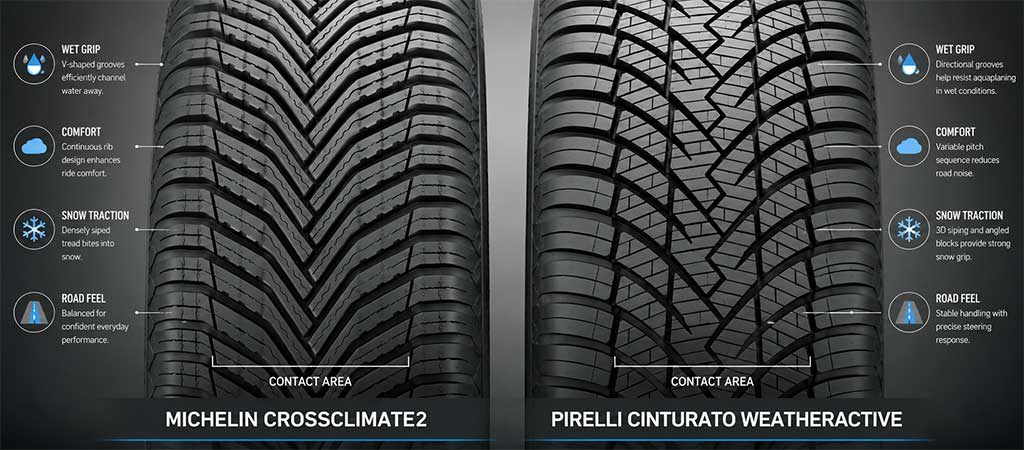
The Michelin CrossClimate2 gets the slightly higher wet traction rating at 9.4/10. That small advantage matters most during hard rain, quick braking, and situations where standing water starts to collect on the road. The Michelin’s tread pattern is very focused on moving water away from the contact patch, which helps the tire feel planted when the surface is wet.
The Pirelli Cinturato WeatherActive is very close behind at 9.3/10. It has a directional pattern, water-clearing lateral grooves, and a compound designed to work across a wide temperature range. In normal rain, it should still feel very secure. The difference is not big enough to make the Pirelli feel weak, but the Michelin earns the nod if wet braking confidence is your top concern.
For drivers in areas with frequent rain, fast-changing weather, or long wet commutes, I would give the edge to the Michelin CrossClimate2. It feels like the safer pick when wet traction is the deciding factor.
Dry Road Feel Is Very Close Between These Two Tires
Dry traction is the most even part of this comparison. Both tires receive a 9.4/10 dry traction rating, and that makes sense for this type of tire. Neither one is meant to feel like a summer performance tire, but both should feel stable, predictable, and confident on dry pavement.
The Michelin CrossClimate2 has a secure, planted feel that works well for highway driving, lane changes, and steady cornering. Its dry grip is one of the reasons it has become such a popular premium all-weather tire. It does not feel soft or vague when the road is clear.
The Pirelli Cinturato WeatherActive also performs very well on dry roads. It feels composed and smooth, with enough steering response to avoid feeling dull. Drivers who prefer a calm touring feel may actually like the Pirelli’s road manners more, even though the dry traction score is tied.
In this category, I would not choose one tire over the other based only on dry grip. If most of your driving is on dry pavement, either tire is strong. The better decision comes down to whether you prefer the Michelin’s more traction-focused balance or the Pirelli’s slightly more refined touring feel.
Light Snow and Cold Weather: Michelin Feels More Reassuring
Winter and snow traction is where the Michelin starts to separate itself a little more. The CrossClimate2 scores 8.8/10, while the Cinturato WeatherActive scores 8.6/10. Again, the gap is not huge, but it is noticeable enough to matter if you drive in cold weather, slush, or occasional snow.
The Michelin CrossClimate2 is the tire I would choose first for drivers who want stronger light snow confidence. Its tread design gives it useful biting edges, and the tire has the kind of all-weather focus that helps when temperatures drop and pavement gets messy. It should feel more reassuring during light snow, cold rain, and slushy conditions.
The Pirelli Cinturato WeatherActive is still a capable winter-leaning all-season tire. Its siping, directional layout, and snow-focused design help it perform better than a basic touring all-season tire in colder conditions. However, based on the ratings in this comparison, it sits slightly behind the Michelin when snow traction is the priority.
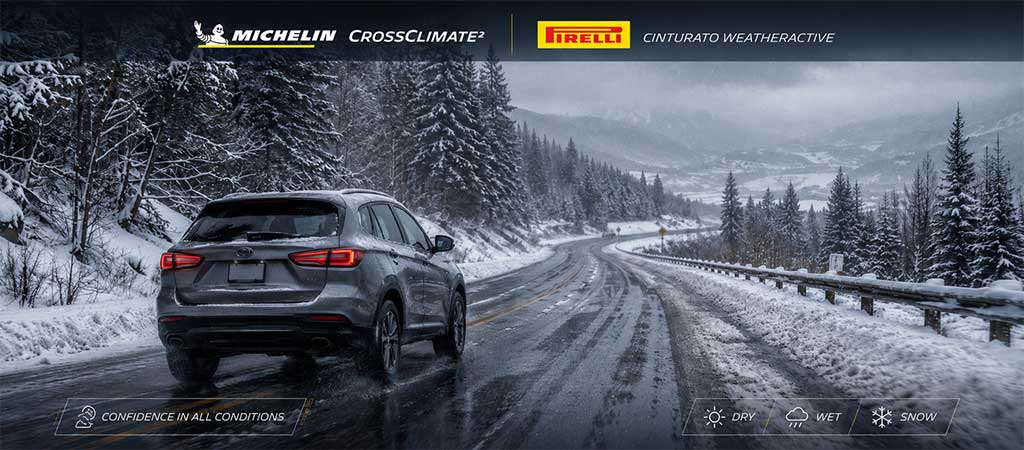
Neither tire should be treated as a replacement for a dedicated winter tire in severe winter conditions. For deep snow, ice-heavy roads, mountain driving, or long stretches of untreated winter pavement, a true winter tire is still the better tool. But for drivers who only see occasional snow or want stronger cold-weather security from one set of tires, the Michelin has the advantage.
Comfort and Road Noise: Pirelli Gets the Slight Advantage
Comfort is where the Pirelli Cinturato WeatherActive starts to make its strongest case. It scores 9.0/10 for comfort and road noise, compared with 8.9/10 for the Michelin CrossClimate2.
That difference is small, but it fits the personality of the comparison. The Pirelli feels like the more relaxed touring choice. It is the tire I would lean toward for drivers who spend a lot of time on highways, want a smoother ride, and care about keeping road noise controlled on longer drives.
The Michelin CrossClimate2 is still comfortable, but its more aggressive all-weather tread design may make it feel a bit more noticeable depending on the vehicle, road surface, and tire size. That does not mean it is loud or rough. It simply means the Pirelli has the slight edge if refinement is the deciding factor.
For family vehicles, commuters, and drivers who value a calm cabin, the Pirelli Cinturato WeatherActive has a small but meaningful advantage.
Treadwear and Ownership Value: Pirelli Has a Narrow Lead
Treadwear is another close category. The Pirelli Cinturato WeatherActive scores 9.2/10, while the Michelin CrossClimate2 scores 9.1/10. Both tires are backed by a 60,000-mile treadwear warranty, so neither one feels like a short-life performance tradeoff.
The Pirelli’s slight treadwear edge makes it appealing for drivers who care about long-term value, even wear, and getting more use out of a premium tire purchase. Its balanced footprint and touring focus help support that value argument.
The Michelin also has a strong ownership case. Its traction performance, especially in wet and winter conditions, may justify the purchase for drivers who care more about confidence than squeezing out a tiny treadwear advantage.
Maintenance will matter with both tires. Regular rotations, proper inflation, alignment checks, and avoiding worn suspension parts will do more for real tread life than the brand name alone. If you ignore maintenance, either tire can wear faster than expected.
For pure ownership value, I give the slight edge to the Pirelli Cinturato WeatherActive. For value tied to year-round traction confidence, the Michelin CrossClimate2 remains very hard to beat.
Tread Design and Technology: Two Different Paths to All-Weather Grip
The Michelin and Pirelli use different tread strategies to solve the same problem: provide strong wet grip, dry stability, light snow traction, and comfort in one tire.
The Michelin CrossClimate2 has a very distinctive directional tread pattern. Its large V-shaped grooves are designed to move water away from the tire while also creating useful edges for snow and slush. The tread pattern gives the Michelin a strong visual identity, but more importantly, it supports the tire’s confidence in changing weather.
The Pirelli Cinturato WeatherActive uses a directional design as well, but it takes a slightly different approach. Its zigzag central groove, lateral grooves, deep siping, and balanced contact patch are all aimed at helping the tire manage rain, snow, and wear. The compound is also designed to work across a wide temperature range, which helps explain why it performs well as an all-weather touring tire.
The practical difference is easy to understand. The Michelin feels more traction-focused, especially in wet and light snow conditions. The Pirelli feels more balanced toward comfort, consistency, and long-term ownership.
Neither design is automatically better for every driver. The Michelin is the better fit when poor weather grip matters most. The Pirelli is the better fit when you want all-weather capability with a slightly smoother touring feel.
Best Vehicle Types for Each Tire
Both tires fit a similar buyer, but they may appeal to slightly different driving styles.
The Michelin CrossClimate2 works well for sedans, coupes, crossovers, minivans, commuter vehicles, and family vehicles where year-round traction is a high priority. It is especially appealing for drivers who deal with rain, cold mornings, wet highways, or occasional snow but do not want to change tires seasonally.
The Pirelli Cinturato WeatherActive is also a good fit for sedans, coupes, crossovers, commuter vehicles, and touring-focused family vehicles. It makes the most sense for drivers who want a quiet, comfortable tire with strong all-weather capability and good long-term value.
If your vehicle already rides firmly, the Pirelli may help preserve comfort a little better. If your area gets more rain or winter mix, the Michelin may provide the extra confidence you are looking for.
Who Should Choose the Michelin CrossClimate2?
Choose the Michelin CrossClimate2 if you want the tire with the stronger traction-focused profile in this comparison.
It is the better choice if you care most about wet braking, hydroplaning control, cold-weather confidence, and light snow traction. It is also the tire I would choose for drivers who want a more secure feel when conditions change quickly.
The Michelin is not dramatically better in every category, and it does not win comfort or treadwear here. However, it does win the categories that many drivers worry about most when the weather gets bad.
I would choose the CrossClimate2 if I lived somewhere with frequent rain, cooler seasons, occasional snow, or unpredictable weather patterns.
Who Should Choose the Pirelli Cinturato WeatherActive?
Choose the Pirelli Cinturato WeatherActive if you want a premium all-weather touring tire with a slightly smoother overall ownership experience.
It is the better choice if you care most about comfort, road noise, treadwear, and balanced year-round performance. It still has very strong wet and dry traction, so choosing the Pirelli does not mean giving up safety or control.
The Pirelli’s biggest appeal is how well-rounded it feels. It does not beat the Michelin in wet traction or snow traction based on these ratings, but it comes close while offering a slight advantage in refinement and treadwear value.
I would choose the Cinturato WeatherActive if I wanted a comfortable touring tire that still handles rain and occasional snow better than a normal all-season tire.
Final Verdict: Which Tire Would I Pick?
The final result is close because both tires score 9.1/10 overall. That tie is important because it means there is no single answer for every driver.
For wet traction, I would choose the Michelin CrossClimate2. Its 9.4/10 wet traction rating gives it the small but important advantage in rain confidence.
For dry traction, I would call it a tie. Both tires score 9.4/10, and both should feel stable and confident on dry roads.
For winter and light snow, I would choose the Michelin CrossClimate2. The difference is not massive, but the Michelin’s 8.8/10 winter/snow rating gives it the edge.
For comfort and road noise, I would choose the Pirelli Cinturato WeatherActive. It has the slightly higher comfort score and feels like the better match for drivers who want a smoother touring experience.
For treadwear and long-term value, I would choose the Pirelli Cinturato WeatherActive by a narrow margin. Its treadwear score is slightly higher, and it still keeps the all-weather performance strong.
If I had to make one overall recommendation, I would pick the Michelin CrossClimate2 for drivers who put traction confidence first. I would pick the Pirelli Cinturato WeatherActive for drivers who want the more comfortable and slightly stronger value-focused touring tire.
Final Decision Table
| Choose This Tire If… | Best Pick |
|---|---|
| You want stronger wet traction | Michelin CrossClimate2 |
| You want better dry road feel | Tie |
| You drive in light snow | Michelin CrossClimate2 |
| You care most about comfort | Pirelli Cinturato WeatherActive |
| You want stronger treadwear value | Pirelli Cinturato WeatherActive |
| You want the better overall balance | Tie |
| You want more poor-weather confidence | Michelin CrossClimate2 |
| You want a smoother touring feel | Pirelli Cinturato WeatherActive |